Heritage
The case for mesquite
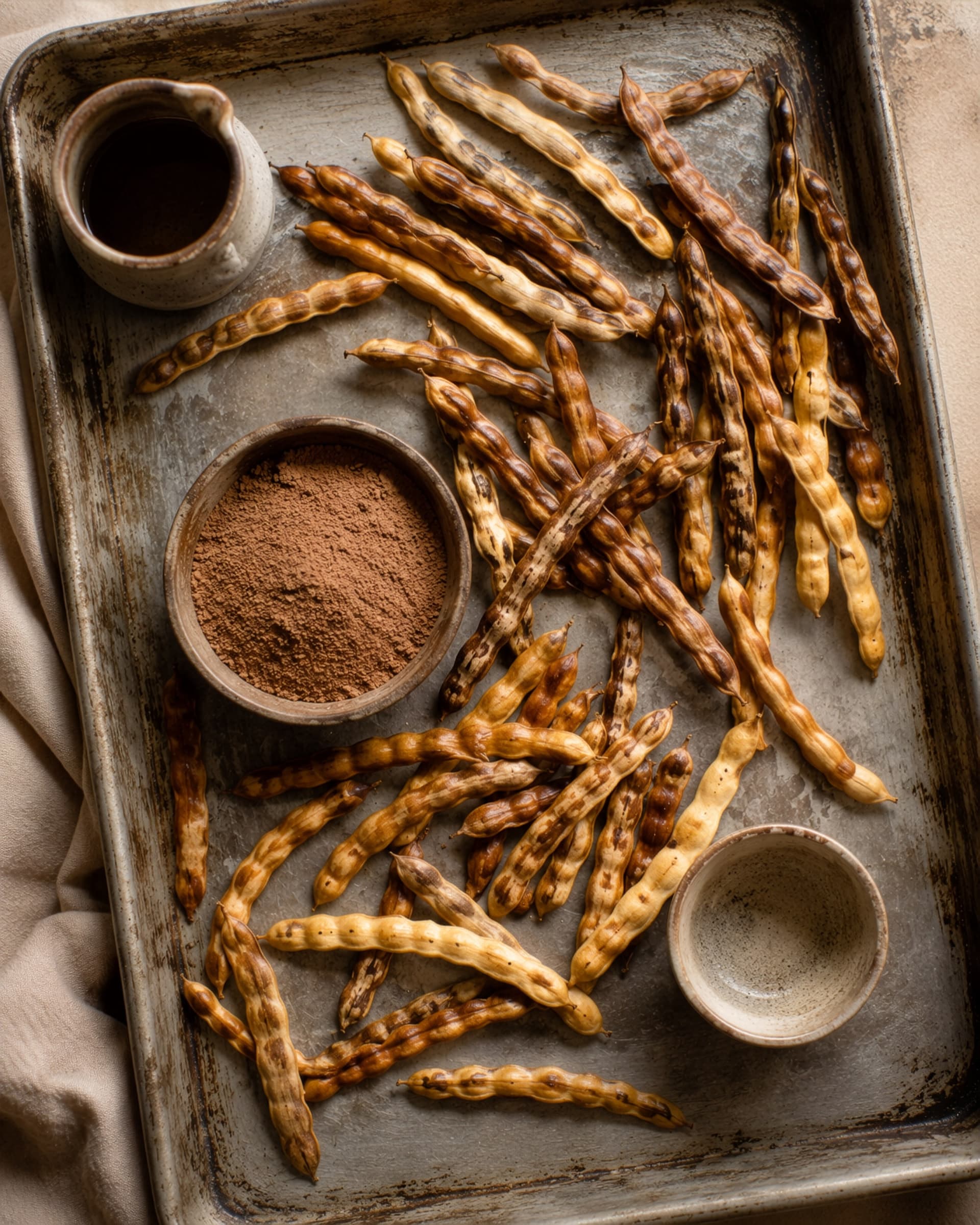
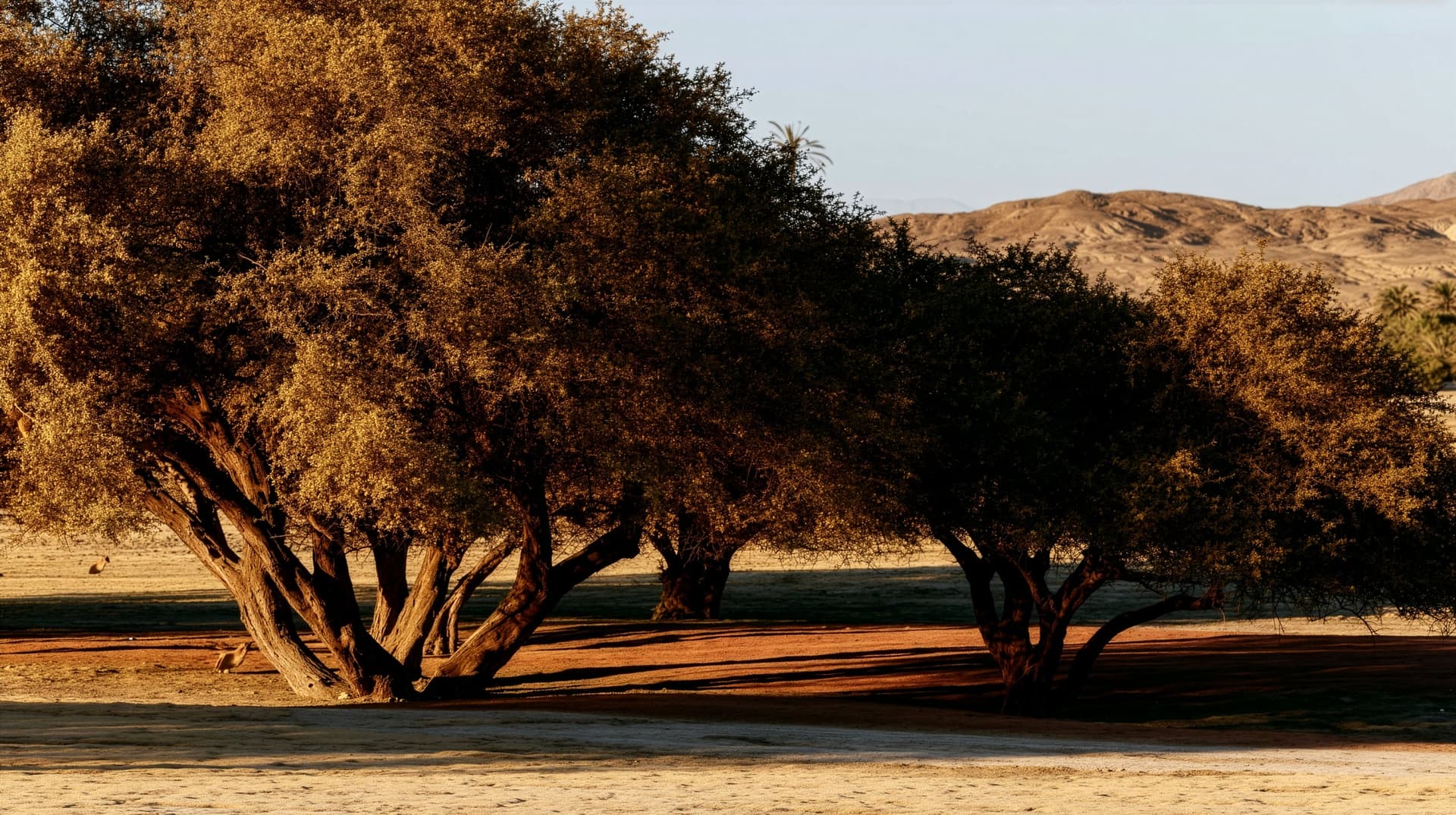
In the dry forests of northern Peru, a tree has been giving its pods to be eaten for a long time. Long before the Spanish arrived. Long before the Inca. When the rains failed and the corn died, the pods kept coming. When the rains came back, the pods kept coming. This is the tree behind the cup.
On the Peruvian coast, archaeologists have found Prosopis pods and seeds at Huaca Prieta and Caral, both around five thousand years old. Caral is considered the oldest urban centre in the Americas. The Tallans of Piura, who lived in the region more than a thousand years ago, brewed the pods into a hot drink they called yupisin. The word is still used in Piura today. Across the centuries the pod has been ground into flour, fermented into beer, boiled into syrup, and brewed into a cup. Each preparation feeds a different need; the cup feeds a daily one.
In the deserts north of Peru, a related tree carries different names and the same role. For thousands of years, the Tohono O'odham, the Pima, the Cahuilla and others called Prosopis the tree of life, and they meant it literally. When the rains failed in the Sonoran Desert, the mesquite pods came. When the corn failed, the mesquite pods came. The Tohono O'odham named a month of their lunar year after the harvest. They ground the pods into a flour and pressed it into shelf-stable cakes called mesquite turtles that could feed a family through a dry winter.
In the Mediterranean, the same family of tree took a different name. The Greeks knew the carob, the mesquite's cousin, by the shape of its pod: keration, meaning "small horn." From that Greek word came the carat, the unit of weight by which diamonds and gold have been measured for over a thousand years, named for the seed of this tree's cousin. The carob also fed people through famine, the way the mesquite fed people through drought. In Greece during the famine of 1941 to 1944, when the Allied blockade and Nazi requisitioning emptied the cities of food, carob became what villagers called the chocolate of the occupation. The tree fed people when nothing else would.
When the rains failed and the corn died, the pods kept coming.
In Rajasthan, the related tree is the khejri. The Sanskrit name is shami, and the Ayurvedic tradition has used the bark and pods for centuries. In 1983 the Indian government named it the official state tree of Rajasthan. There is a story in the Mahabharata in which the Pandava brothers, exiled to the desert and required to live in disguise for a year, hid their weapons in a shami tree. When the year was over and they came back to fight, the weapons were exactly where they had left them. The tree had kept the secret of an entire epic.
Across these continents, separated by oceans and millennia, the same observation recurred. This family of tree, with its deep taproot and its dependable pods, kept people alive when other systems failed. The recognition is not metaphor. It is the convergent conclusion of unrelated human cultures looking at the same plant and arriving at the same name: the tree of life.
In Piura today, the mesquite still bears its pods. Communities still gather them. The pods are still slow-roasted and ground. The cup is what comes next. One ingredient. The same one that fed civilisations for centuries. Brewed like coffee, naturally caffeine-free, nothing added. An old tree, made into a cup you can hold.